Living in New Zealand means putting up with a bit of everything when it comes to weather. You know how it is – one minute it’s blazing sun, the next it’s chucking it down. This kind of climate can really take it out of your home’s exterior, especially your cladding, decks, and roof. Regular home exterior maintenance isn’t just about making things look good; it’s about stopping small issues from turning into big, expensive headaches. Let’s get your place sorted, shall we?
Key Takeaways
- Our weather can be pretty wild, so keeping your home’s outside in good nick is a must. Think about how the sun, rain, and wind batter your cladding, decks, and roofs.
- Spotting common problems early, like cracks in the cladding or wobbly deck bits, saves you a heap of hassle and cash down the track.
- Looking after your deck means it’ll last longer and be a safer spot for BBQs and chilling out, even when the weather’s not playing ball.
- Your roof is your first line of defence against the elements, so keeping it clear of gunk and checking for damage is super important.
- Knowing what you can handle yourself and when to call in a tradie means your home exterior maintenance gets done right, without you having to wrestle with a dodgy ladder.
Keeping Your Cladding Shipshape in NZ’s Weather
Understanding Our Unique Climate’s Impact
Right then, let’s talk about your home’s exterior, specifically the cladding. New Zealand’s weather can be a bit of a mixed bag, can’t it? We get everything from scorching sun to driving rain, and let’s not forget that strong wind that seems to come from every direction! This constant battering means your cladding has a tough job, protecting your home and keeping it looking good.
Our climate here is pretty unique. We’ve got coastal areas with salty air, inland spots that can get quite dry, and regions that experience heavy rainfall. All these different conditions put different stresses on your cladding. For example, the salt spray near the coast can be corrosive, while intense UV rays in sunny areas can fade and degrade certain materials over time. You’ve also got the wind, which can drive moisture into tiny cracks and crevices, potentially causing bigger problems down the line.
Common Cladding Issues and How to Spot Them
Keeping an eye on your cladding is key to avoiding costly repairs. You don’t need to be a builder to spot the early warning signs. Look out for things like cracks, especially around windows and doors, or where different materials meet. These can be entry points for water.
Another thing to watch for is peeling or bubbling paint. This often means moisture is getting trapped behind the paint layer, which can lead to rot if left unchecked. You might also notice discolouration, mould, or mildew growth, particularly in shaded or damp areas. These are all signs that your cladding might need a bit of attention.
Don’t forget to check for any signs of sagging or warping, especially with timber cladding. This could indicate that the material is becoming waterlogged or is starting to decay. A quick walk around your home, looking closely at the walls, can save you a lot of hassle later on.
Simple Steps for a Healthier Exterior
Looking after your cladding doesn’t always mean a massive job. Sometimes, a bit of regular TLC is all that’s needed. A good wash down a couple of times a year can make a huge difference. This helps remove dirt, grime, and any build-up of mould or mildew that can start to eat away at the surface.
Make sure any gutters and downpipes are clear and working properly. If water is constantly overflowing or pooling around the base of your walls, it’s going to cause problems. Clearing out leaves and debris is a simple task that can prevent a lot of water damage.
Finally, keep an eye on any sealant or caulking around windows, doors, and joins. If it’s cracked or pulling away, reapply it. This simple step is one of the most effective ways to stop water from getting into your home’s structure. It’s the little things that really count when it comes to keeping your exterior in top shape against our Kiwi weather.
Deck Maintenance: Making the Most of Your Outdoor Living
Protecting Your Deck from Sun and Rain
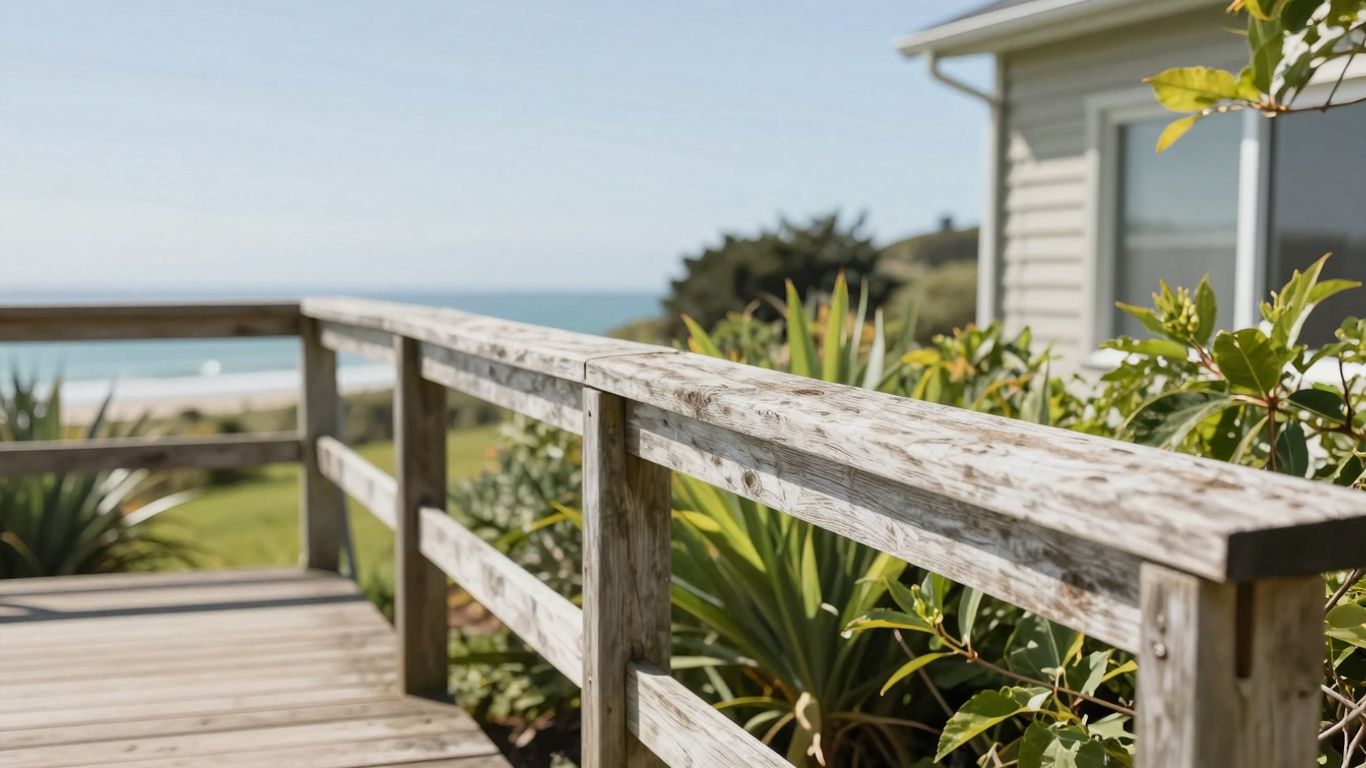
Your deck is a fantastic spot for BBQs, relaxing with a cuppa, or just watching the kids play. But let’s be honest, our Kiwi weather can be pretty harsh on timber. The sun beats down, the rain soaks in – it all takes its toll.
Regular cleaning is your first line of defence. Think of it like giving your deck a good wash and brush-up. Sweep away leaves and dirt regularly. If you notice any mould or mildew starting to creep in, a good scrub with a deck cleaner should sort it out. It’s not a massive job, but it makes a big difference.
When it comes to protection, a good quality deck oil or stain is your best mate. It soaks into the wood, creating a barrier against moisture and UV rays. How often you need to reapply depends on the product and how much wear and tear your deck gets, but generally, once a year is a good starting point. You’ll know it’s time when water stops beading on the surface and starts soaking in.
Revitalising Older Timber Decks
Got an older deck that’s looking a bit sad and grey? Don’t despair! With a bit of elbow grease, you can bring it back to life. First things first, give it a really thorough clean. You might need a more heavy-duty cleaner or even a sander for really stubborn marks or weathered patches.
Sanding can seem like a big job, but it really makes a difference. It smooths out the surface and removes that tired, grey layer. You can hire a floor sander if you’ve got a large area, or just use sandpaper for smaller spots. Always sand in the direction of the timber grain, and wear a mask – wood dust isn’t great to breathe in.
Once it’s clean and sanded, you can apply a good quality deck stain or oil. This will not only bring back the colour but also protect the wood for years to come. You’ll be amazed at the transformation!
Safety First: Keeping Your Deck Sturdy
Beyond just looking good, your deck needs to be safe. Loose boards, wobbly railings, or rotten supports are a real hazard, especially with little ones running around.
Here’s a quick safety check you can do:
- Check the fixings: Make sure all screws and nails are tight and not popping out.
- Inspect the supports: Get down low and check the main beams and posts. Look for any signs of rot, especially where they meet the ground or concrete.
- Test the railings: Give them a good shake. They should feel solid and secure.
- Look for splinters and trip hazards: Smooth out any rough spots and make sure boards are level.
If you find any significant issues, like rotten structural timber or loose posts, it’s best to get a professional to take a look. Trying to patch up major structural problems yourself can be risky and might not last.
Don’t forget about the stairs too! Make sure they’re secure and the treads are not worn down. A bit of regular attention means you can enjoy your deck worry-free all summer long.
Roof Care: Protecting Your Home from Above

Your roof is like the big umbrella for your whole house, and in New Zealand, it really earns its keep. With our changeable weather, from scorching sun to torrential rain and everything in between, keeping your roof in good nick is super important. A healthy roof stops water getting in, keeps your home cosy in winter, and cool in summer. It’s one of those things you don’t think about much until there’s a problem, right?
The Importance of a Healthy Roof in NZ
Think about it – your roof is the first line of defence against whatever Mother Nature throws at us. From salty sea air on the coast to heavy downpours inland, it’s constantly working. A well-maintained roof not only protects your home’s structure from water damage but also helps with insulation, keeping your energy bills a bit more manageable. Plus, a good-looking roof adds to your home’s overall appeal and value. It’s really worth giving it a bit of attention.
Dealing with Moss and Debris
Moss and lichen love our damp climate, and leaves and branches can pile up surprisingly quickly, especially after a good storm. This stuff can trap moisture against your roofing material, leading to rot or corrosion over time. It can also block up your gutters, causing water to back up and potentially find its way into your home. Regularly clearing your gutters and roof of debris is one of the simplest yet most effective maintenance tasks you can do. You might even find inspiration in how traditional building methods dealt with weather protection, adapting old ideas for new homes.
Here’s a quick rundown of what to look out for:
- Moss and Algae: These green invaders can make surfaces slippery and hold moisture.
- Leaf Litter: Especially common under trees, this traps water and can clog gutters.
- Twigs and Branches: Larger debris can cause physical damage or block drainage.
- Silt and Dirt: Over time, this can build up and affect water flow.
When to Call in the Professionals
While you can certainly tackle some basic roof maintenance yourself, like clearing gutters, there are times when it’s best to call in the experts. If you notice missing or damaged tiles, significant wear and tear, or if your roof is particularly steep or high, it’s safer to get a professional roofer involved. They have the right gear and know-how to assess the situation properly and carry out repairs safely. Don’t risk a fall; sometimes, getting a professional is the smartest move for your peace of mind and your home’s safety.
It’s easy to forget about the roof until a problem pops up, but a little bit of regular care can save you a lot of hassle and expense down the track. Think of it as an investment in keeping your home safe and sound.
Seasonal Home Exterior Maintenance Tips
Spring Cleaning for Your Home’s Outside
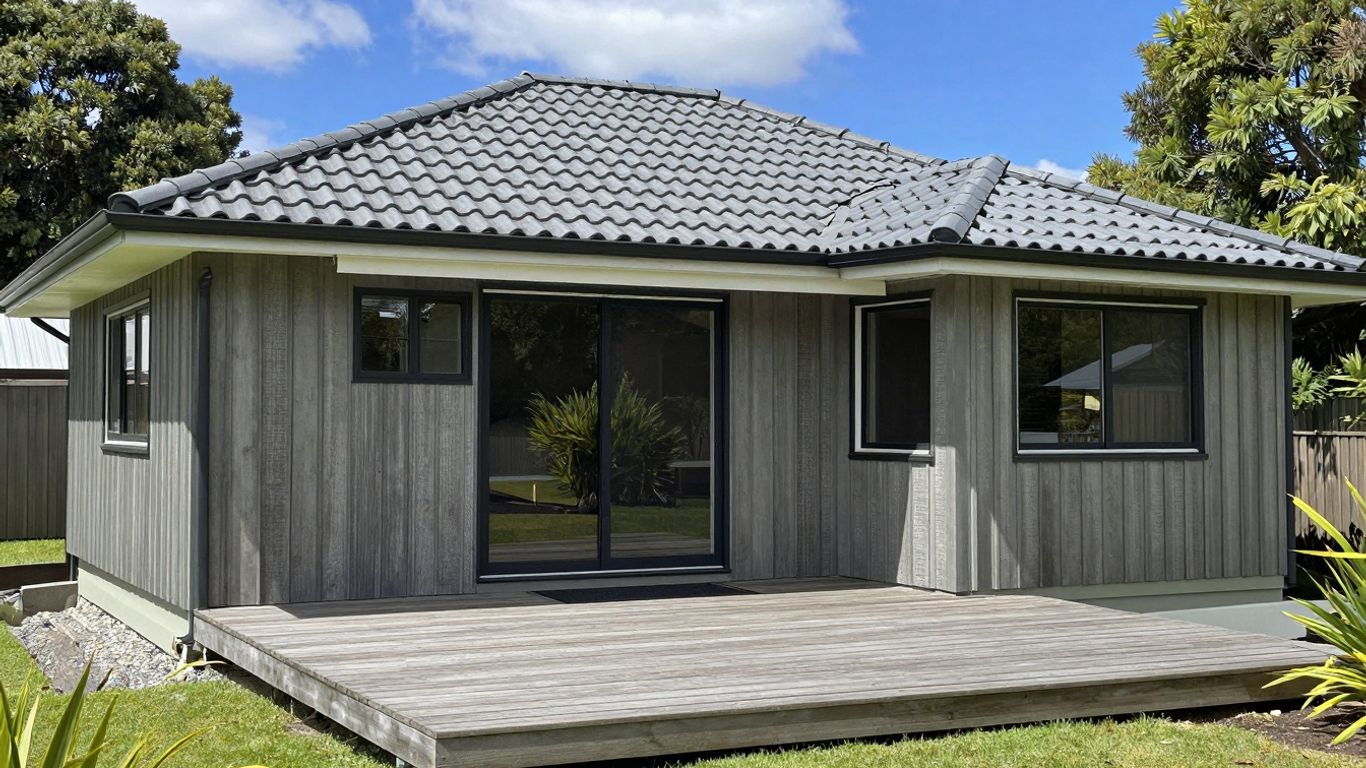
As the chill starts to fade and the daffodils pop up, it’s the perfect time to give your home’s exterior a good once-over. Think of it as waking your house up after a long winter nap. You’ll want to clear away any lingering leaves or debris from gutters and downpipes – blocked gutters can cause all sorts of damp issues later on. Give your windows a good clean too; it makes such a difference to how bright and welcoming your place feels.
Summer Checks for Peace of Mind
Summer in New Zealand can be glorious, but that strong sun and occasional downpour can take a toll. This is a great time to check your decks and fences for any signs of wear and tear. Look for loose boards, splinters, or any areas where the protective coating might be wearing thin. A quick sweep and maybe a fresh coat of oil on the deck can make a world of difference, keeping it looking good and preventing rot. Don’t forget to check your roof for any loose or damaged tiles too, especially after any strong winds.
Autumn Preparations for Winter
Before the colder, wetter months roll in, it’s wise to get your home ready. Autumn is the season for getting things sorted. Clear out those gutters again – fallen leaves can quickly turn into a soggy mess that clogs things up. Check your window seals and door draughts; sealing up any gaps will help keep the warmth in and the cold out, saving you a bit on the heating bill. It’s also a good time to give your outdoor furniture a clean and perhaps store away anything that won’t stand up to the winter weather.
Winter Weatherproofing Essentials
Winter is when your home’s exterior really earns its keep. While you might be spending more time indoors, it’s still important to keep an eye on things outside. Check for any new leaks or damp patches that might have appeared during the wetter spells. Make sure your downpipes are clear and directing water away from your foundations. If you have any exterior paintwork that’s looking a bit tired, a quick touch-up now can prevent bigger problems down the line when spring arrives.
DIY vs. Tradie: When to Tackle Home Exterior Maintenance Yourself
Right then, let’s chat about whether you should be getting your hands dirty or calling in the cavalry when it comes to keeping your home’s outside looking its best. It’s a common question, and honestly, there’s no one-size-fits-all answer. It really depends on the job, your confidence, and how much time you’ve got.
Jobs You Can Easily Do
There are plenty of tasks you can tackle yourself without needing a whole lot of fancy gear or a trade certificate. Think of the smaller, more regular bits and bobs that keep things ticking over. For instance, giving your deck a good sweep and scrub is usually pretty straightforward. You can also often manage basic fence repairs, like replacing a few loose palings, or clearing out gutters when they get clogged with leaves. Even a bit of weeding around the base of your house or giving your cladding a gentle wash can make a big difference.
- Gutter Cleaning: Grab a ladder (safely, of course!) and a trowel to scoop out leaves and muck. You might want to wear gloves for this one.
- Deck Washing: A good scrub with a stiff brush and some deck cleaner can bring tired timber back to life. Make sure to rinse it off thoroughly.
- Minor Fence Repairs: If a post is wobbly or a panel is loose, often a bit of tightening or a few new nails will do the trick.
- Cladding Wipe-Down: A soft brush and some soapy water can remove general grime. Always check the manufacturer’s advice for your specific cladding type.
Recognising When a Pro is Needed
Now, when does it get a bit too much for the average DIYer? It’s usually when safety becomes a major concern, or the job requires specialised tools or knowledge. If you’re looking at anything that involves working at significant heights, like roof repairs, or anything structural, it’s probably best to get a professional involved. Dealing with electrical components or plumbing, even on the outside of your house, is also a big no-no for DIY unless you’re qualified. And let’s be honest, if a job feels overwhelming or you’re unsure about how to do it safely, calling a tradie is the smart move. It’s better to pay for peace of mind than to risk an accident or a botched job that costs more to fix later.
Sometimes, the biggest saving comes from knowing your limits. A professional has the experience and the right gear to get the job done safely and efficiently, preventing bigger headaches down the track.
Finding the Right Local Tradesperson
So, you’ve decided a job is best left to the experts. How do you find someone reliable? Word of mouth is often your best bet. Ask neighbours, friends, or family if they’ve had good experiences with local builders or maintenance people. Online reviews can also be helpful, but take them with a pinch of salt. Always get a few quotes for the work, and make sure they’re detailed. Don’t just go for the cheapest option; consider their experience, reputation, and how well they communicate with you. A good tradesperson will be happy to explain what they’re doing and why. For larger jobs, check if they’re part of any professional associations or if they have the right insurance for the work they’re doing. It’s all about finding someone you trust to do a good job on your home.
Keeping Your Kiwi Home Shipshape
So there you have it! A bit of TLC for your cladding, decks, and roof can make a world of difference, especially with our wild Kiwi weather. It’s not just about making things look good, though that’s a bonus, right? It’s about keeping your whare safe and sound for years to come, so you and the kids can just get on with enjoying life. A bit of regular checking and a few weekend jobs can save you a heap of hassle and money down the track. Plus, who doesn’t love a home that feels solid and looked-after? Get out there and give your place some love – it’ll thank you for it!